Project Details
Deliverables
Information Architecture
Design system built on a team of 6 UX/UI Designers,
4 Project Managers, & 7 Engineers
Wireframes
Worked with remote sensing and MRV report team to deliver
50+ screens
High Fidelity Prototypes
High Fidelity responsive prototypes for application launch
Gazelle Ecosolutions is on a mission to restore our planet's natural carbon sinks. Our initiative is focused on sustainable land management for cattle ranchers in Botswana, aiming to reduce CO2 emissions and promote soil conservation. The team spent several months in Botswana conducting fieldwork, communicating with the community, and gathering hands-on research to create a digital interface.
Gazelle Ecosolutions is a carbon-crediting company partnered with UT Austin, Shell, and Exxon.
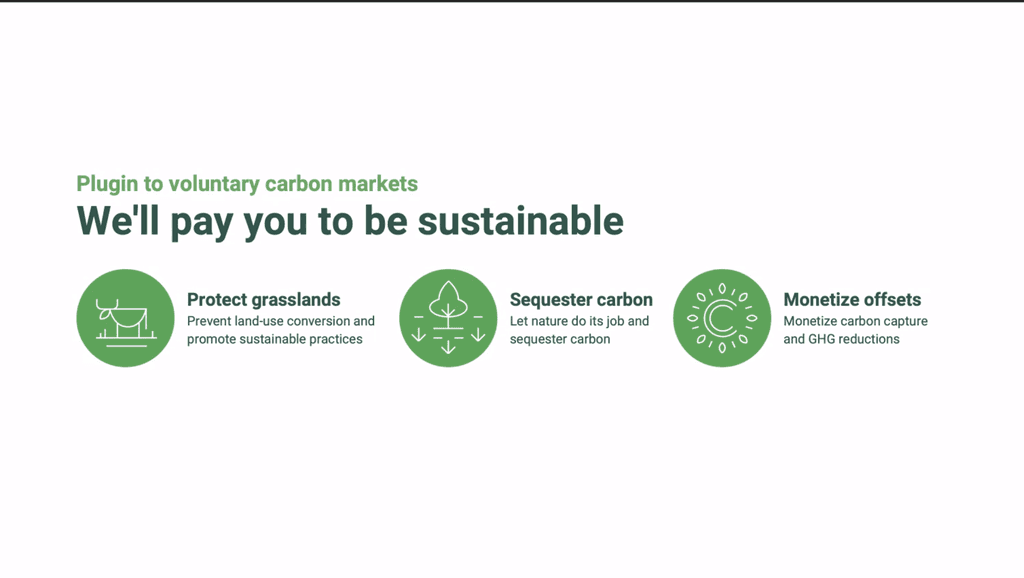
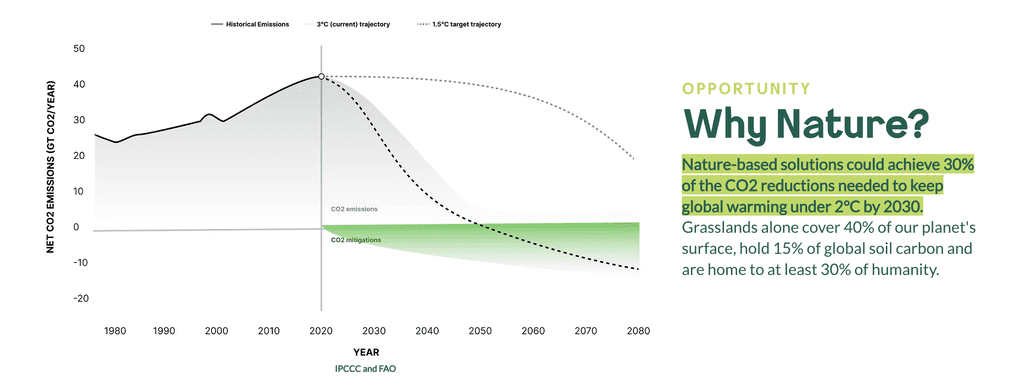
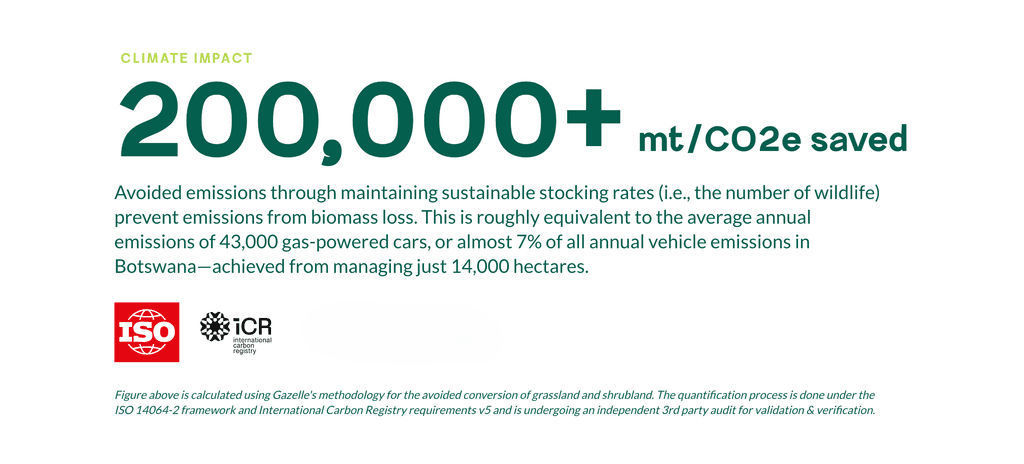
🌱Gazelle aims to create an user-friendly “all-in-one” interface for the carbon market.
The carbon credit market presents a viable solution to mitigate climate change by financially incentivizing sustainable practices. However, the process of validating and maintaining carbon credits is a complex and labor-intensive task that involves coordinating multiple teams, collecting and analyzing vast amounts of data, and adhering to stringent verification standards.
Prior to our solution, this often meant that stakeholders had to navigate through multiple, disparate platforms to collect data, validate credits, and manage projects. This fragmentation led to inefficiencies, high operational costs, and a greater likelihood of errors, posing a significant barrier to the adoption of carbon credit initiatives.
We developed the Gazelle Hub which is an innovative digital platform that integrates measurement, reporting, and verification of carbon sequestration from nature-based projects into a single seamless interface. By leveraging field data and remote sensing technology, it streamlines the process of quantifying and crediting these critical emissions reduction solutions, providing a user-friendly, all-in-one solution for the carbon market.
💡Our Solution
💻 Development
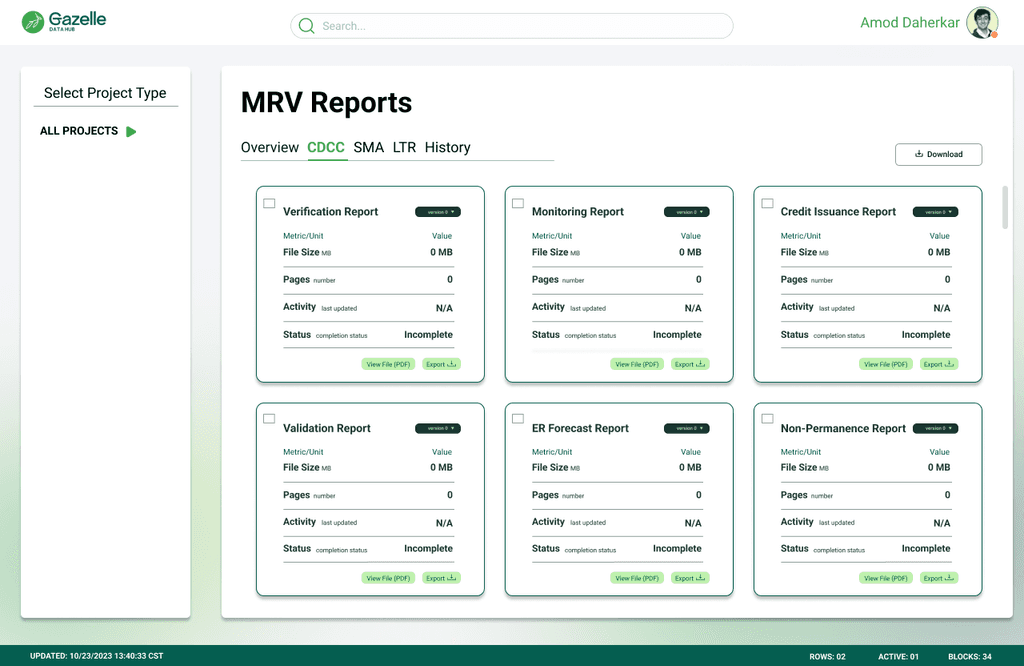
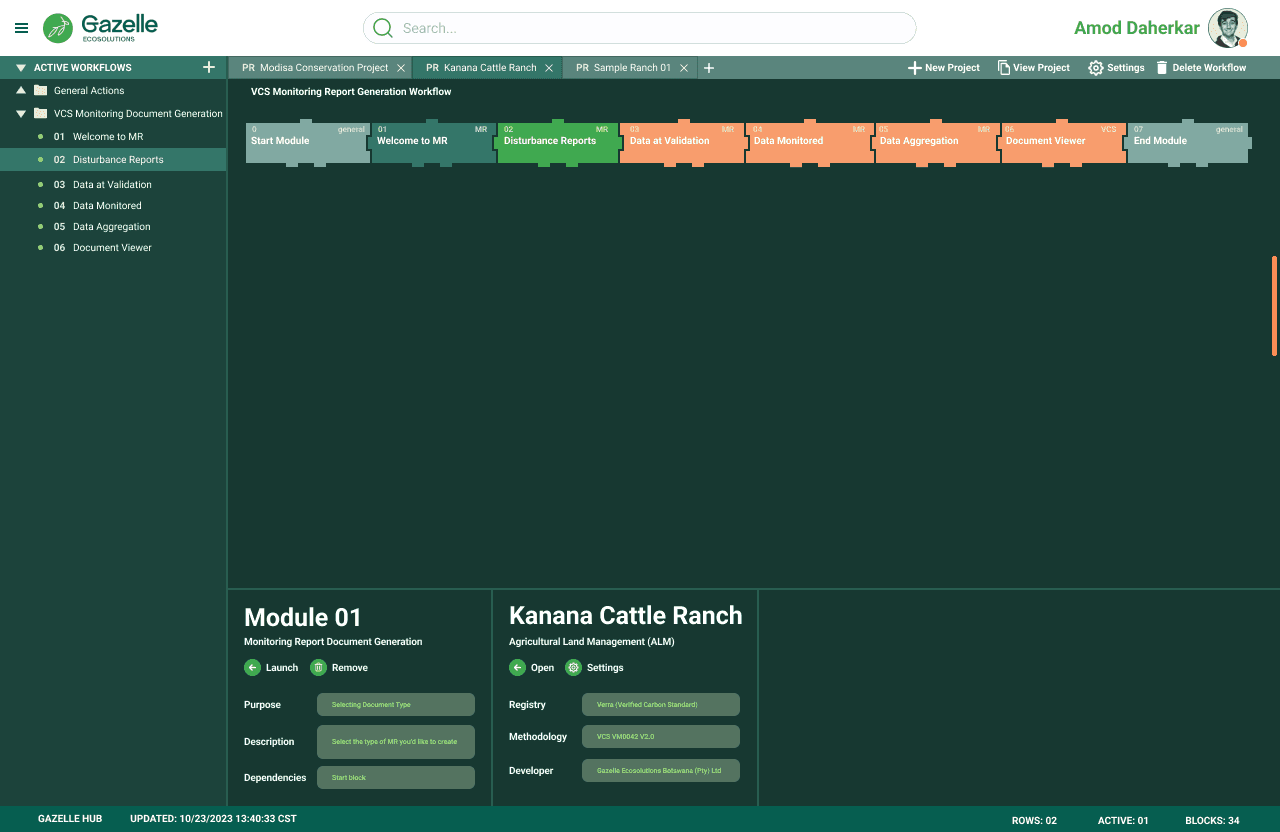
For my piece of the project, I worked within the MRV and remote sensing team. This team consisted of a duo of designers, engineers, and researchers along with the co-founder and CEO of Gazelle Ecosolutions. Within this team, we were able to develop the Data Hub page, LTR Map View, and the MR / Reports page.
What is MRV?
MRV stands for measuring, reporting and verification. MRV is a multi-step process that ensures the credibility and accuracy of carbon credits by quantifying and validating a project's greenhouse gas (GHG) reductions or removals. It involves Measuring the impact, Reporting these findings, and having the data independently Verified by a third party to certify the carbon removal claims and ensure trust in the market.
📊 Design System
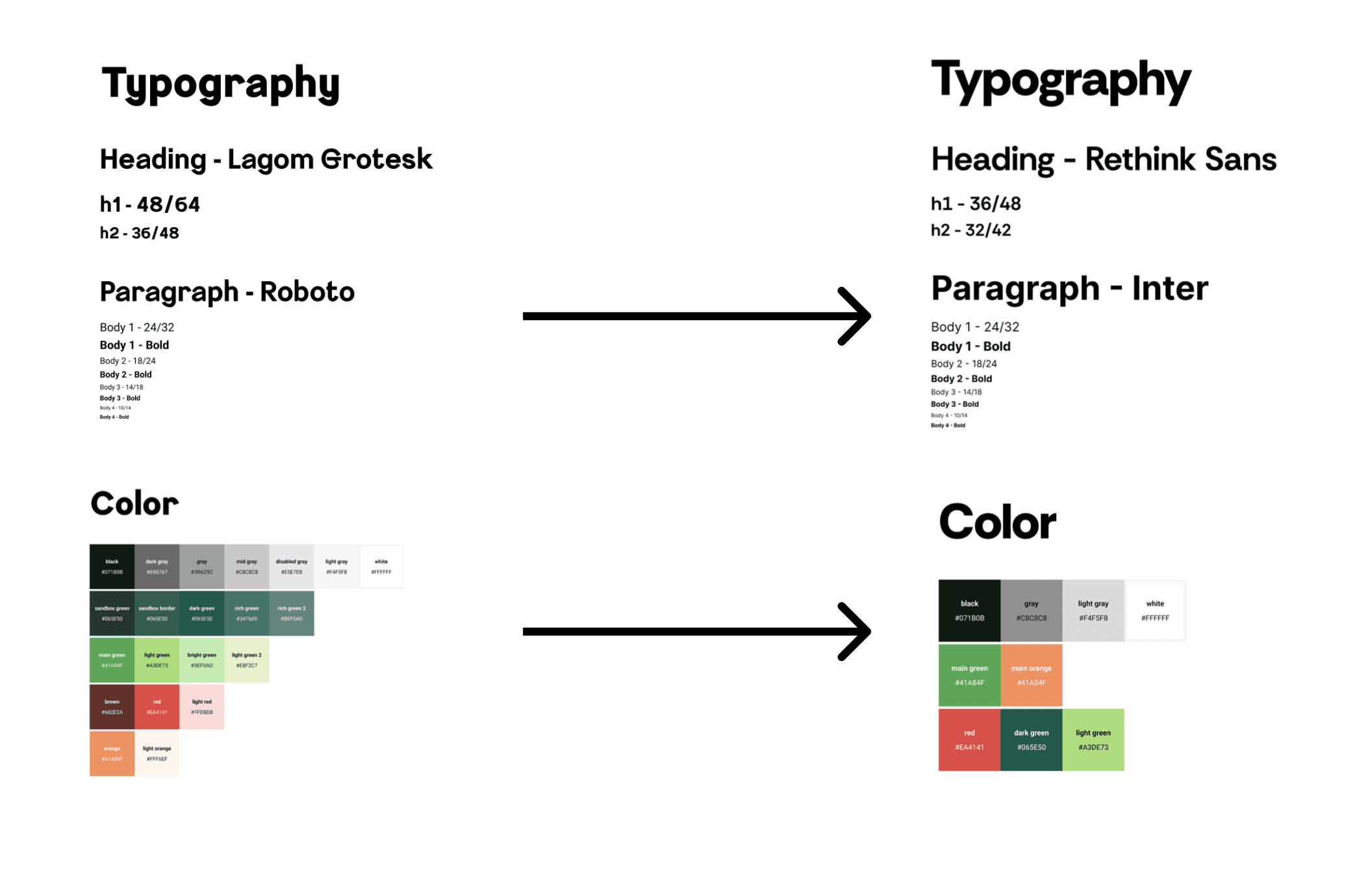
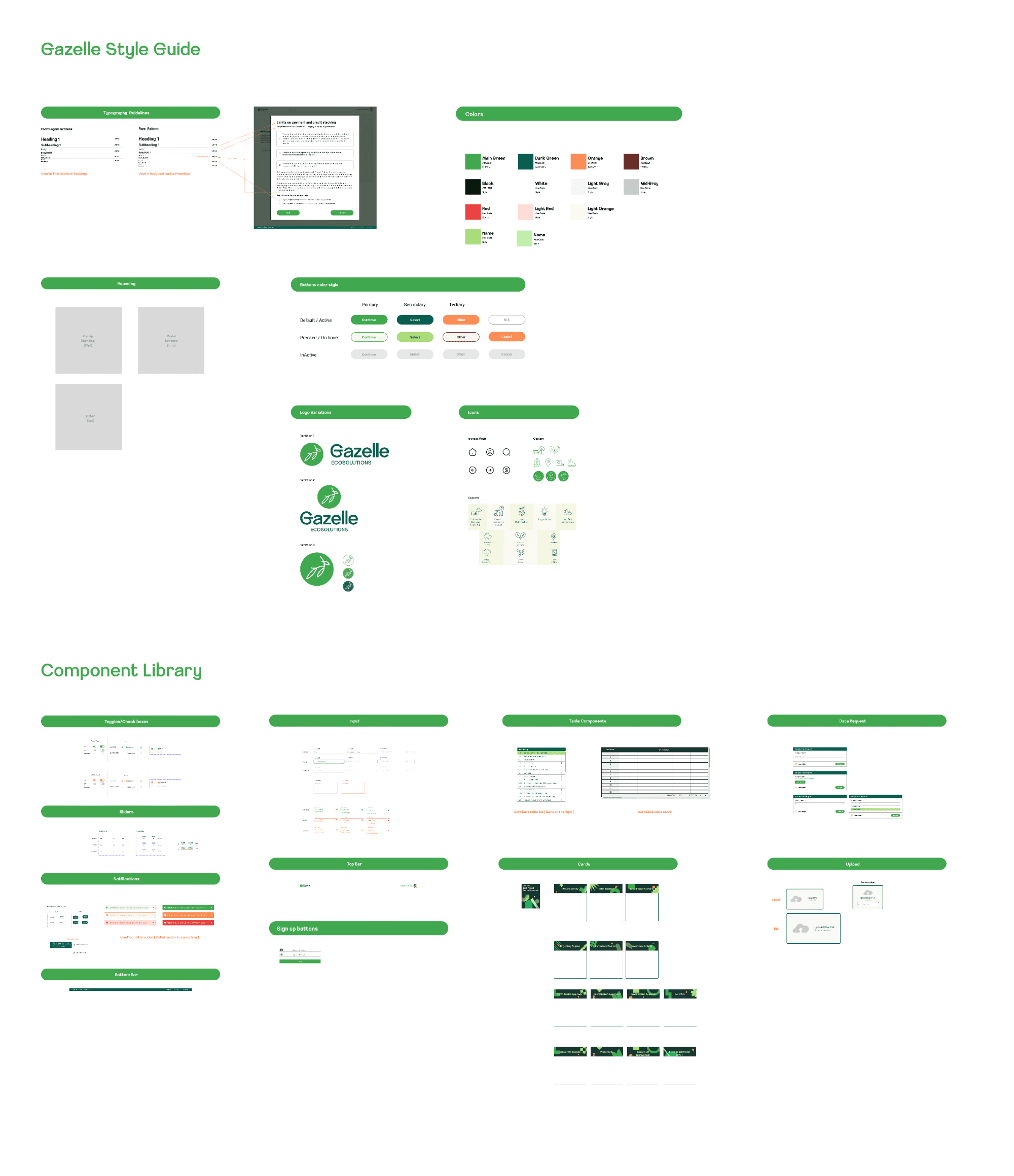
To begin, I worked with a team of six designers to develop components in Figma and decide an overall design system. With so many creatives on board tackling such a large-scale project, we wanted to make sure that all of the wireframes and components were cohesive.
📈MRV Dashboard
Our key features for the MRV Dashboard are:
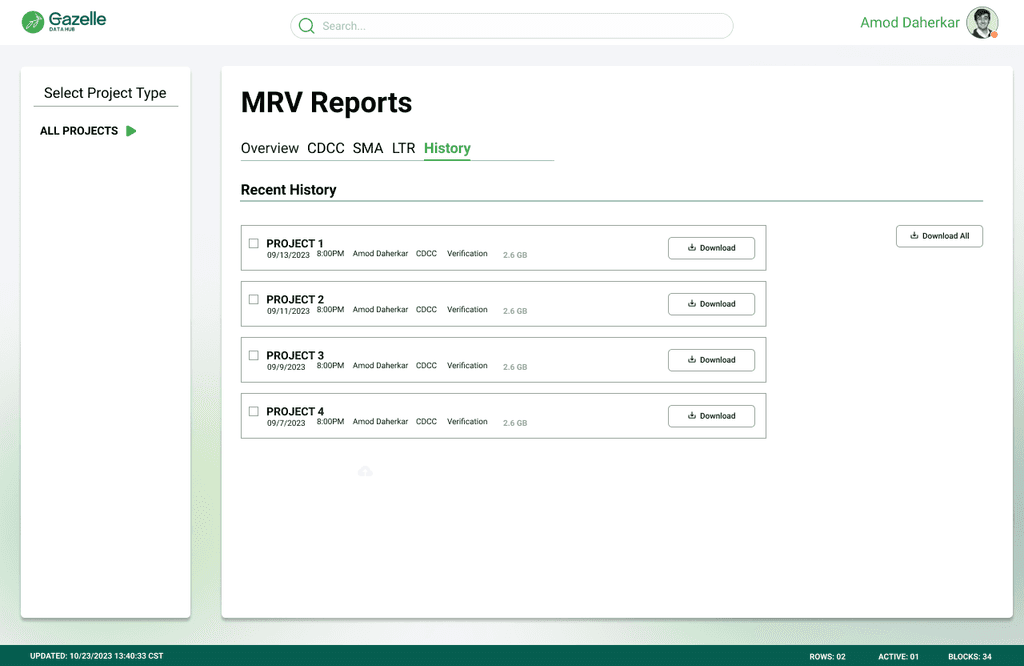
Monitoring & Reporting – Seamless access to MRV reports, downloadable project documents, and structured tables of carbon stock data.
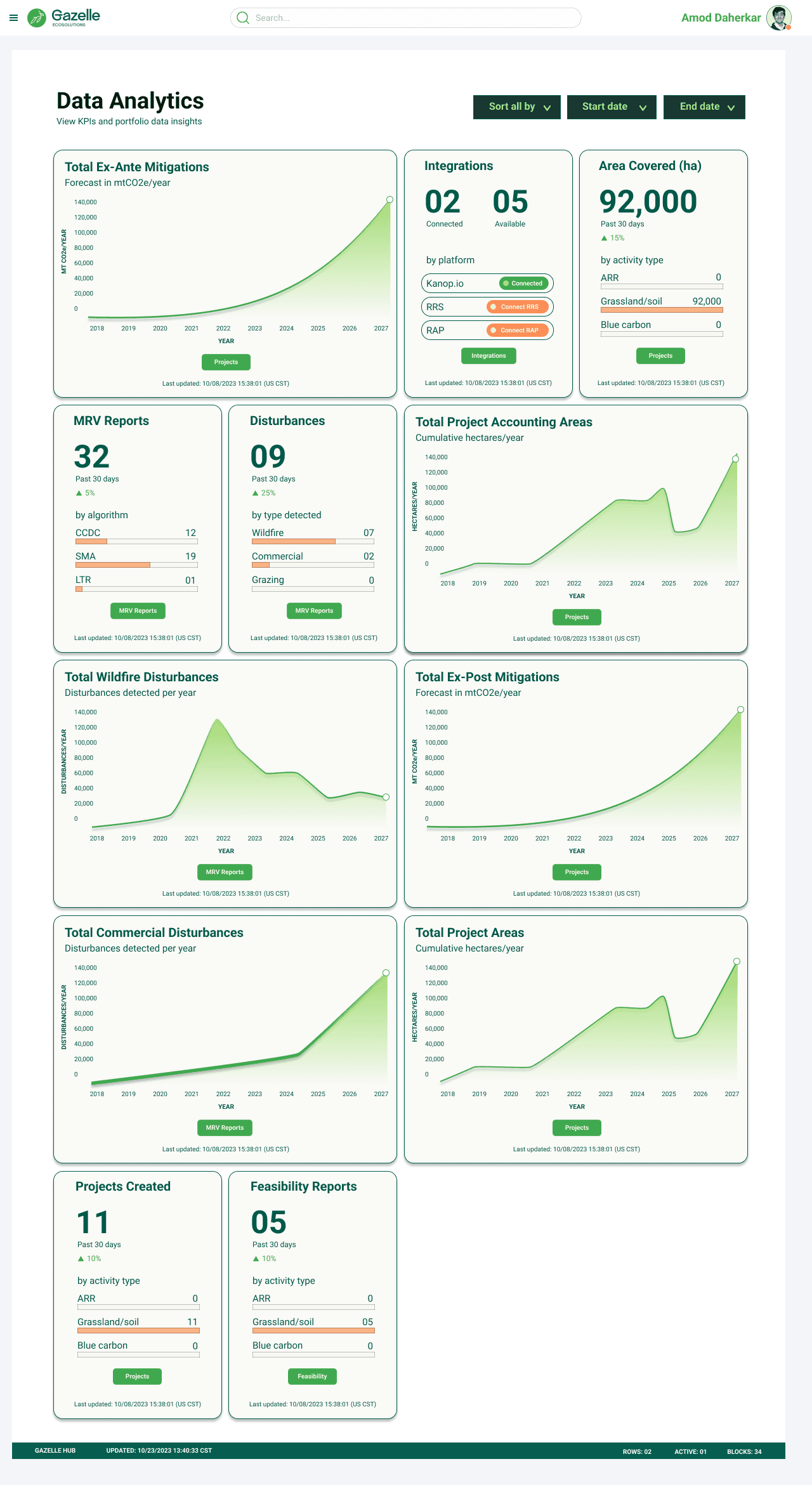
Data Visualization & Insights – Daily updated widgets with key project stats, dynamic ER graph viewer, and customizable interactive visualizations for environmental data.
AI Powered – Generate PDDs and MRV report drafts in seconds by leveraging PM/MRV data with an LLM trained on hundreds of AFOLU projects across all stages of the Verified Carbon Standard process.
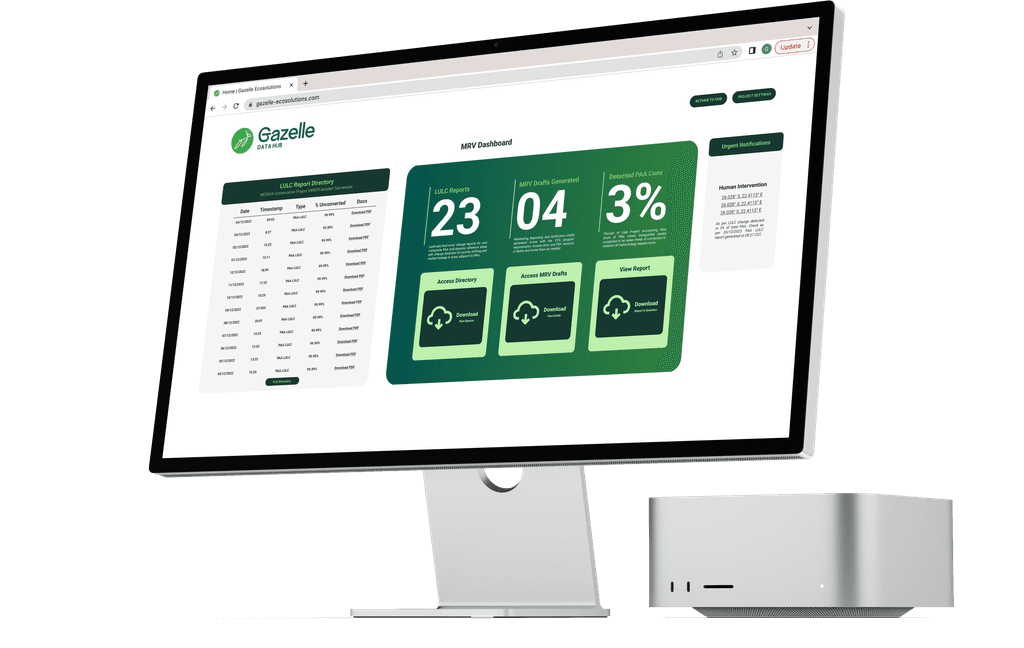
The MRV Dashboard home page provides an at-a-glance view of all report types, along with field information and real-time notifications on newly updated data.
Low to High Fidelity Product →
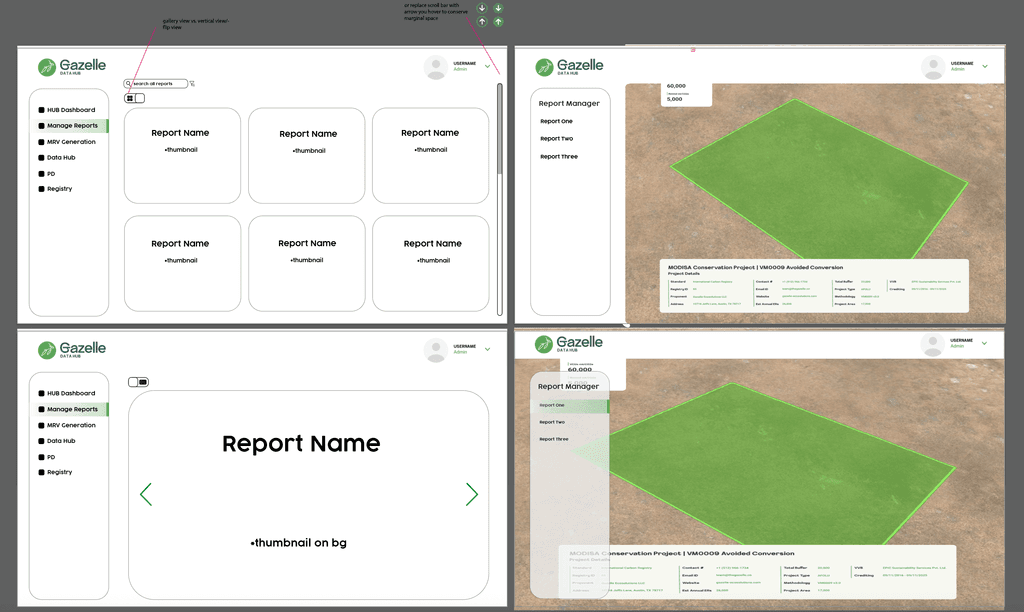
Overview of MRV Analytics (Scroll to View More↓)
🔑 Key Features of MRV Data Analytics
📈Dynamic Graphs for Carbon Data
Interactive line charts to display changes in CO₂ mitigation, disturbances, and project areas over time. This gives users a clear visual of trends
🎨 Intentional Color Coding
Green tones to indicate positive or “connected” status while orange highlights items requiring attention (e.g., not connected).🗂 Modular Widgets for Clarity
Information is separated into distinct widgets to reduce cognitive load making the dashboard scannable and easy to navigate without diving into detailed reports.🕒 Real-Time Updates
Each chart includes a timestamp for when it was last updated, reinforcing trust in the accuracy and recency of the data.
🗺️ LTR Map View
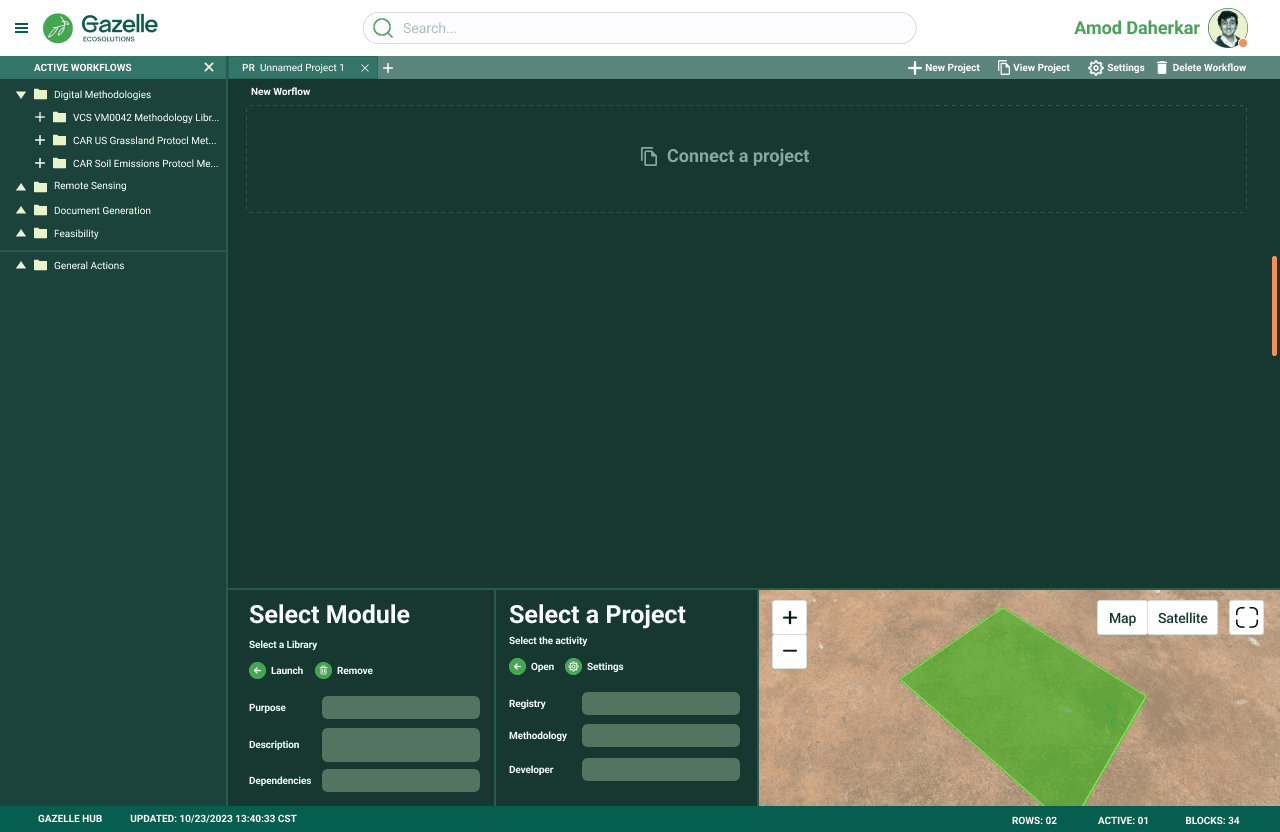
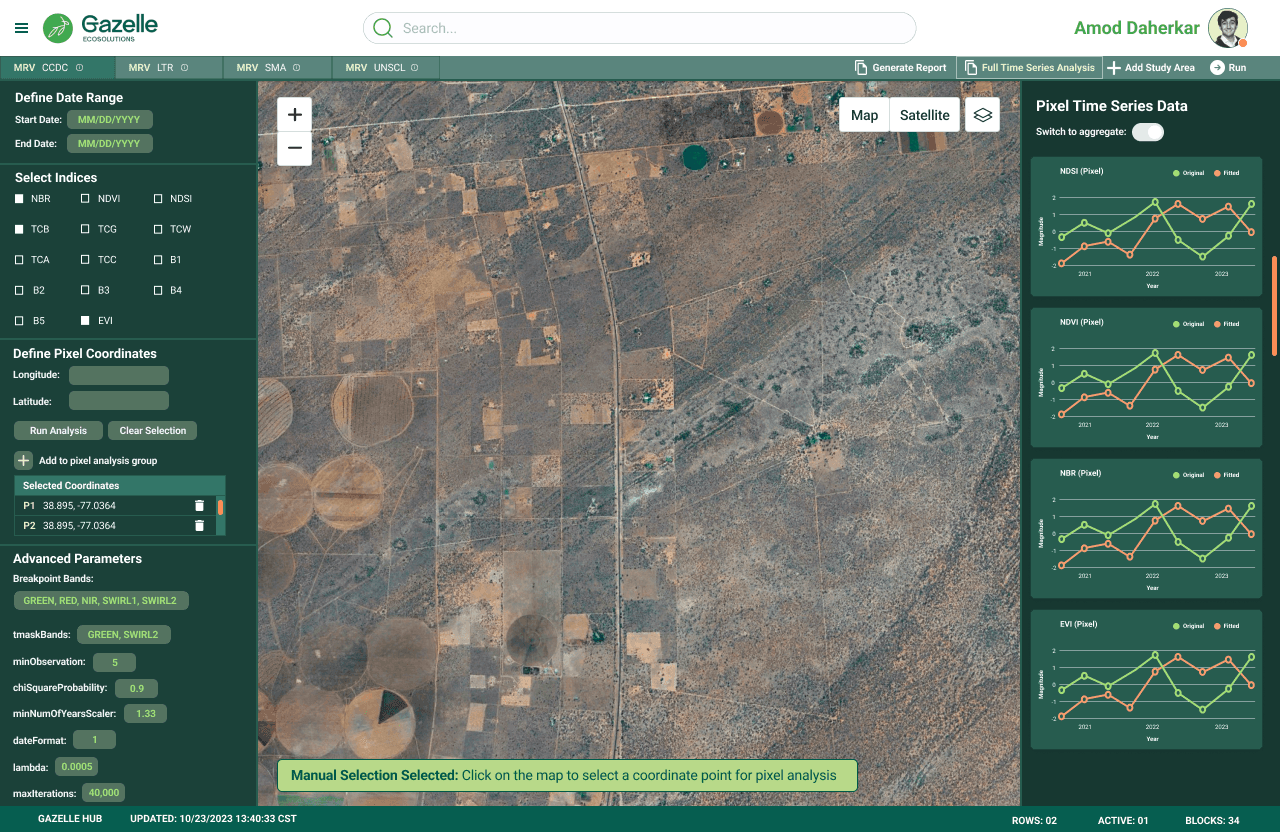
Main features for the LTR Map View are:
🎨 Color-Coded Data for Clarity
Green represents connected/original data, while orange highlights fitted values — creating an immediate visual distinction that reduces interpretation errors.
#️⃣ Customizable Parameters
Users can define advanced analysis option to tailor the dashboard to specific sustainability needs.✍ Manual & Automatic Selection Options
Users can input coordinates directly or select on the interactive map, giving both technical and non-technical users accessible entry points for exploration.
🚶Takeaways
Multiple points of data can be formatted in a way that makes it navigable for the consumer and compiled in a way
that is digestable.
Complex data systems can be made user-friendly
By working on a team of people from different disciplines, experience levels, and backgrounds — you can still create
a cohesive project that aligns with everyone's goal through communication and dedication.
Multidisciplinary collaboration is possible through organization